 United Kingdom
 Denmark
 Sweden
 Finland
 Norway
 Dutch
 German
 French

Article

 United Kingdom


Are your business processes helping you grow – or holding you back? A business process review takes a close look at how your company runs, highlighting what works, what doesn’t, and where you can save time, reduce risk, and improve efficiency.
At Goodwille, we’ve spent over 25 years helping companies of all sizes – from start-ups to international companies expanding into the UK – stay compliant. This guide draws on that experience to show why business process reviews matter and how they can give your business the clarity and confidence to grow.
A business process review is a structured look at how your company operates day to day. Reviews can focus on different areas, such as finance, HR, or operations, but one area stands out as essential: data protection.
A data protection business review helps you make sure personal data is managed responsibly, legally, and securely. For companies moving into the UK, it also helps ensure you meet local rules and avoid mistakes that could cost you later.
Every business runs on processes that can usually be grouped into three areas:
A business process review spans all three areas, ensuring your operations are compliant and secure, while giving you the confidence and systems you need to scale safely.
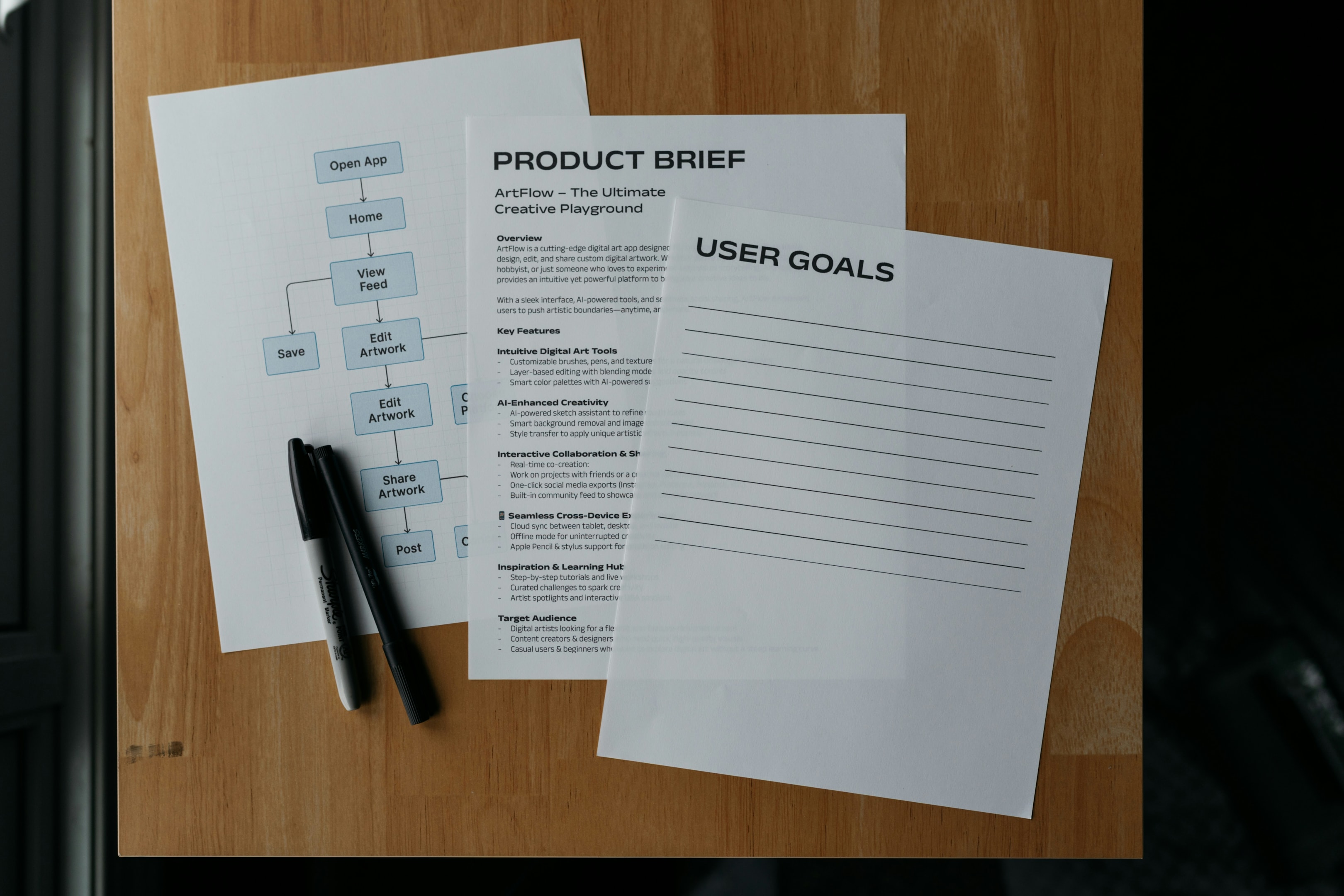
Every business can benefit from a process review. Even if things feel like they’re running smoothly, it’s easy for hidden risks or outdated practices to creep in over time. A review gives you the chance to step back, check your operations against best practice, and make sure your business is in the best possible shape.
Some of the most common benefits include:
A business process review can add value at any stage, but there are certain times when it becomes especially important:
Best practice is to run a review at least once every 12 months. This regular check supports continuous improvement, keeping your business compliant and ready for whatever comes next.
This is the step-by-step process we follow to deliver thorough and effective reviews for our clients at Goodwille.
We begin by working with you to understand where responsibility for data protection sits in your business. Together we’ll look at whether a Data Protection Officer (DPO) or nominated lead is required, and review your existing policies such as Privacy Notices or Data Protection Policies. Where needed, we’ll also guide you on Records of Processing Activities (RoPA).
Next, we help clarify the legal grounds for processing personal data – whether it’s a contract, consent, legal obligation, or legitimate interest. We make sure this is documented properly and applied consistently across the business.
We’ll explore how your business enables individuals to exercise their rights, from accessing their data to requesting corrections or deletions. We’ll also look at how requests are managed and whether your processes make it easy to respond on time.
If you transfer data outside the UK or EEA, we’ll guide you through the safeguards required, such as Standard Contractual Clauses or adequacy decisions. This is particularly valuable for overseas companies adjusting from EU-only rules.
We’ll work with you to review your security measures (both technical and organisational). From access controls and encryption to backups and breach response, we’ll ensure your business is prepared and resilient.
Because many risks come through suppliers, we’ll review your contracts and oversight processes. This ensures that payroll providers, cloud platforms, or marketing tools handle data in line with UK regulations.
We’ll look at how well your staff understand data protection. Do they receive induction training and regular refreshers? Are there clear guidelines for remote working or cross-border data transfers? We’ll highlight where improvements will make the biggest impact.
We’ll assess whether you’re collecting only the data you need, and whether retention schedules are in place so information is stored securely and deleted at the right time.
Finally, we’ll explore how compliance is monitored across your business, from internal audits to KPIs and review processes. This helps build a culture of continuous improvement, so compliance evolves as your business grows.
At the end of the review, you’ll receive a clear, practical report that highlights where you stand today and where improvements can be made. Alongside this, we’ll provide a prioritised action plan that shows exactly what to do next, whether that’s updating contracts, introducing new policies, or refreshing staff training.
Most importantly, we don’t leave you to figure it out alone. Our team is on hand to help you put those recommendations into practice and keep everything on track. With options for quarterly reviews and a helpline for everyday queries, you’ll have the reassurance of expert support whenever you need it.
Because we go beyond advice. At Goodwille, we tailor every data protection review to your business, whether you’re a startup, scale-up, or international group. We act like part of your in-house team, working side by side to map your current practices, highlight risks, and put improvements in place.
Our international experience means we understand the cultural and regulatory differences that can trip up overseas companies expanding into the UK. Expect watertight compliance, reduced risk, and systems designed to protect your clients’ trust while supporting long-term growth.

Here are some of the most common questions we’re asked about business process reviews.
If you’d like tailored advice or want to explore how a review could benefit your business, speak to our team and we’ll guide you through the next steps.
A business process review is a structured look at how your company operates day to day. Reviews can focus on many areas, from improving everyday tasks to ensuring data protection procedures are fit for purpose.
It allows your management team to step back and identify areas for improvement by looking at process flows, policies, and everyday procedures in more detail. The aim is to evaluate the effectiveness of how work is done, highlight what’s working well, and spot where changes could save time, reduce costs, or strengthen compliance.
A data protection review focuses specifically on how your business handles personal data across all departments. It examines your current processes, looking at how information is collected, stored, and shared, and helps evaluate whether your practices meet GDPR requirements.
From there, we create practical recommendations that could include introducing new technology, setting up new processes, or making better use of existing resources. The aim is to help your people gain the right knowledge to implement improvements effectively and keep data protection embedded in everyday operations.
GDPR compliance needs to be checked on a regular basis. Best practice is to review your existing processes at least once every 12 months to effectively review whether they are still fit for purpose. Monitoring process performance in this way ensures your data protection practices adapt to new regulations, changes in technology, or shifts in how your business operates.
A business process is simply a series of steps your company takes to achieve a specific outcome – whether that’s delivering a service, onboarding staff, or handling payroll.
A process review report sets out the findings and recommendations from your review. It highlights strengths, gaps, and key actions for process improvement. In a data protection review, the report will show how well your business is meeting requirements, where risks lie, and what needs attention to protect both your company and the people whose data you handle.
